News
Sustainable Jewelry – What Buyers Need to Know Beyond Buzzwords
Sustainability is one of the biggest buzzwords in the fashion industry right now. We’re all trying to do our part in helping to protect our planet. Consumers are becoming more aware of the impact of jewelry production on the planet – from metal waste to water usage. Research by McKinsey shows that sustainability is one of the first things consumers look for when shopping for jewelry.
If your jewelry isn’t sustainable, you’re missing out on attracting younger demographics and capitalizing on the growing demand for environmentally friendly jewelry. Sustainability is one of the first things consumers ask about any brand – and demand for low-impact jewelry is set to continue to grow in the years to come.
But what is sustainable jewelry? It’s easy to become overwhelmed and confused with buzzwords and greenwashing that happens within the industry.
This article breaks down what sustainable jewelry really means, explores key global trends and certifications, and shares how to choose the right manufacturing partner—like PNJP—that aligns with your brand’s values and future.
WHAT DOES "SUSTAINABLE JEWELRY" REALLY MEAN?
True sustainability in jewelry goes beyond using recycled materials or claiming “eco-friendly” packaging. It’s a comprehensive approach that considers:
- Ethical sourcing of raw materials (precious metals and gemstones)
- Fair labor practices and safe working conditions
- Minimization of environmental impact during production
- Transparency and traceability throughout the supply chain
- Waste reduction and responsible energy use
In short, it’s about people, planet, and long-term profitability—without compromising one for the other.
GLOBAL TRENDS SHAPING SUSTAINABLE JEWELRY
- Traceability-First Supply Chains
Brands are under pressure from consumers and regulators to provide full transparency—knowing exactly where each component comes from and under what conditions it was mined, processed, and set. - Recycled & Reclaimed Materials
More manufacturers now use recycled gold, silver, and platinum to reduce environmental impact, while some even reclaim gemstones from vintage or unsold inventory. - Low-Impact Manufacturing
Advances in technology and leaner production models help reduce energy use, chemical waste, and carbon emissions. - Third-Party Verified Claims
With rising skepticism of greenwashing, buyers increasingly rely on globally recognized certifications to validate sustainability claims.
KEY CERTIFICATIONS TO LOOK FOR
When evaluating potential suppliers or collections, these certifications matter:
To ensure you’re working with a responsible partner, it’s important to look for globally recognized certifications that verify sustainability practices. These certifications indicate that a supplier or manufacturer has met rigorous standards in labor rights, environmental management, and ethical sourcing.
Here are some common ones buyers should be aware of:
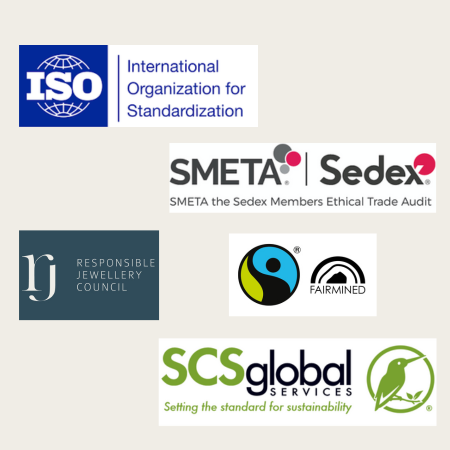
SMETA (Sedex Members Ethical Trade Audit)
Focused on labor standards, health and safety, environmental performance, and business ethics. PNJP is proud to be SMETA-compliant, demonstrating our commitment to responsible and transparent business practices. Read more: How PNJ Production Elevates Sustainability and Performance with Sedex
RJC (Responsible Jewellery Council)
Verifies that suppliers meet ethical, human rights, and environmental standards across the jewelry supply chain. While PNJP is not currently RJC-certified, our SMETA compliance covers many core areas of ethical and sustainable operations.SCS Global Services (Certified Recycled Metals)
Ensures precious metals are sourced from 100% post-consumer recycled materials.
Fair-minded / Fairtrade Gold
Indicates that gold is sourced from artisanal mines meeting strict environmental and social standards.
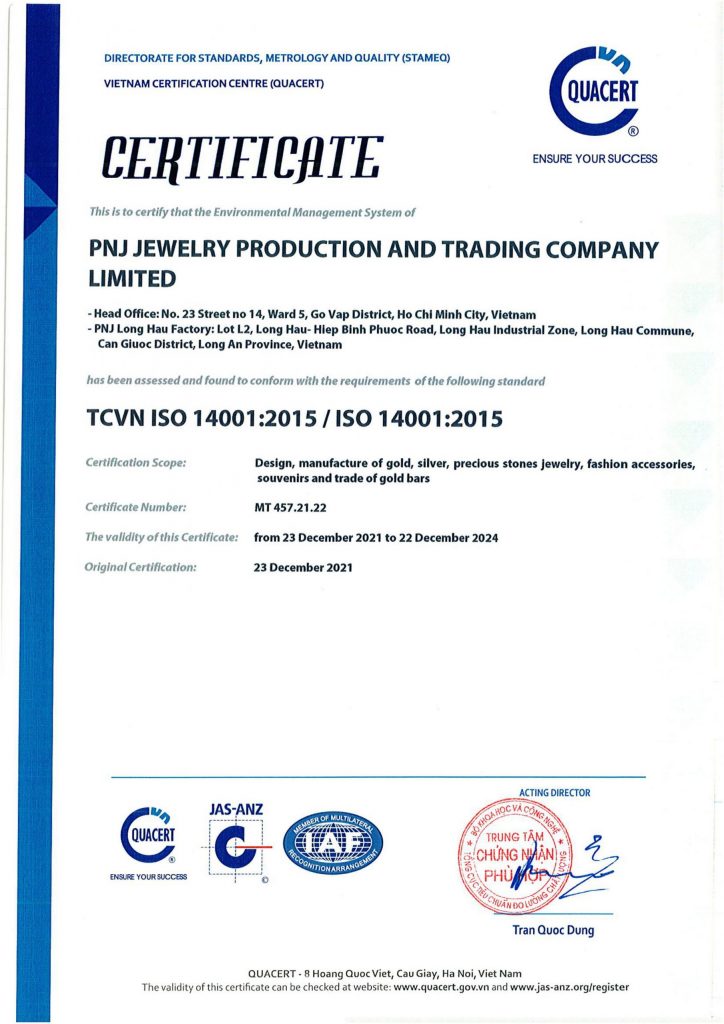
ISO 14001 (Environmental Management)
Recognizes suppliers with robust systems in place to manage and reduce environmental impact.
HOW TO IDENTIFY A RESPONSIBLE MANUFACTURING PARTNER
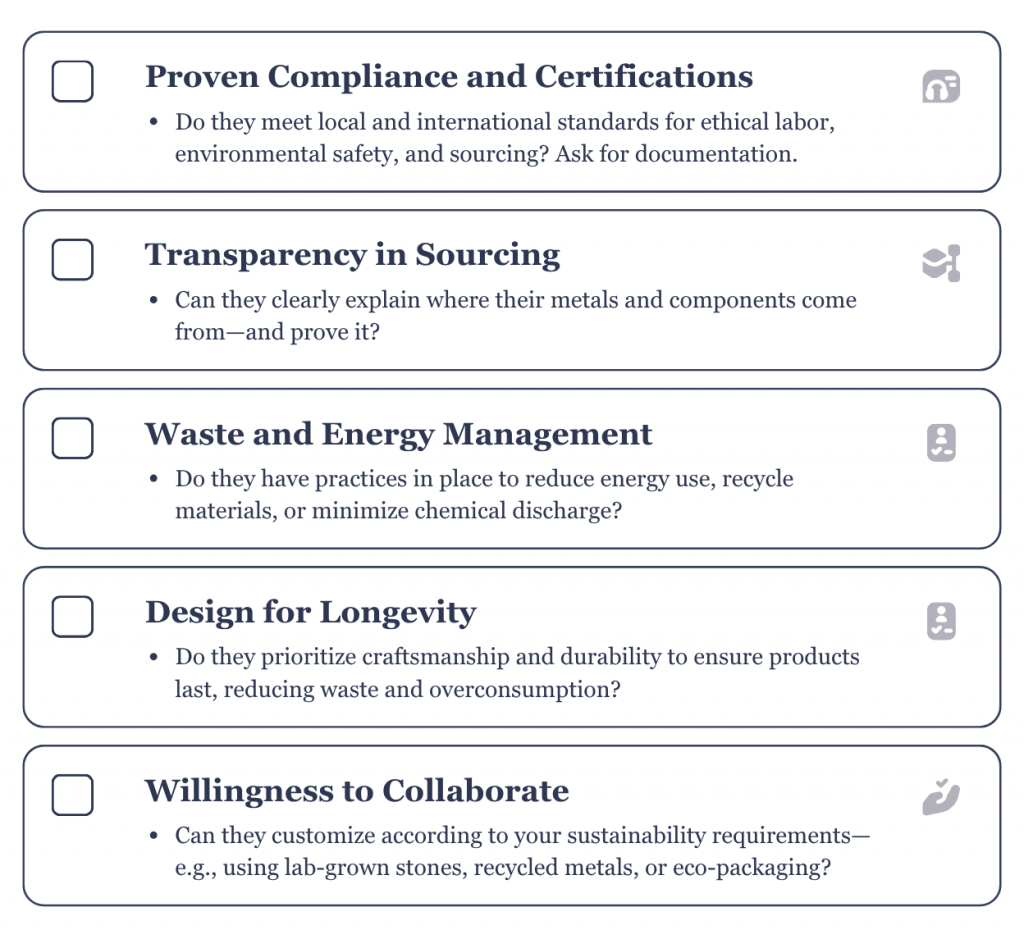
For B2B buyers, selecting the right manufacturer is as important as material choices. A responsible partner should be transparent, flexible, and aligned with your sustainability goals. Here are key qualities to look for:
PNJP’S COMMITMENT TO SUSTAINABLE JEWELRY
At PNJP, we understand that sustainability is more than a label—it’s a promise. As a responsible manufacturing partner, we work closely with brands around the world to:
- Use recycled silver and gold whenever possible
- Ensure safe, fair working conditions for every craftsman in our workshop
- Apply minimal-waste production methods and ethical sourcing practices
- Support designs built to last, reducing unnecessary consumption
- Stay up to date with international sustainability standards and certifications
Whether you’re a heritage brand or an emerging designer, we believe your story deserves to be crafted responsibly—from sketch to shipment.
FINAL THOUGHTS
Sustainable jewelry is not just a trend—it’s the future of our industry. For B2B buyers, it’s critical to look beyond marketing claims and understand what real sustainability entails.
By staying informed about global trends, verifying certifications, and partnering with manufacturers like PNJP who are genuinely committed to ethical practices, you can ensure that your collections align with both consumer expectations and the planet’s needs.
Want to explore sustainable options for your next collection?
Let’s talk about how we can help you design and produce jewelry with purpose