News

The global jewelry industry has reached a pivotal moment where traditional material sourcing must evolve to meet the realities of a high-cost economy. As we move further into 2026, the strategy for successful jewelry brands is shifting from a reliance on pure precious metals to a sophisticated “Material Intelligence” approach. This article explores the dramatic market fluctuations of 2025, the rise of high-performance alternative alloys, and how strategic manufacturing pivots are protecting margins in a volatile landscape. 

1. The 2025 Precious Metal Crisis: A Year of Record-Breaking Volatility

The year 2025 fundamentally altered the jewelry supply chain, marked by what analysts called the “Golden Squeeze.” For the first time in decades, the price of raw materials became a primary obstacle to production.

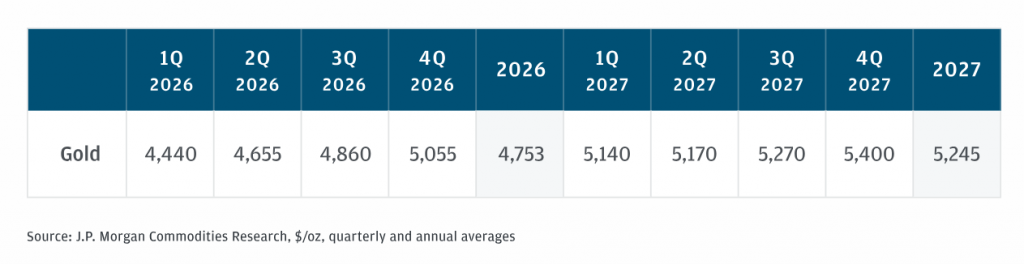
  • Gold’s Historic Surge: According to J.P. Morgan Global Research and the World Gold Council, gold prices skyrocketed in 2025, rising by 65% within a single year to hit record highs of over $4,300 per ounce. By early 2026, prices continued to climb, testing the $5,100 mark as central banks and investors sought safe-haven assets. 
  • Silver’s 149% Breakout: Silver outperformed nearly every other asset class in 2025. Driven by a persistent supply deficit and surging demand in the green energy sector, silver prices rose by a staggering 149.1%, jumping from roughly $28/oz to over $70/oz (BullionVault). 
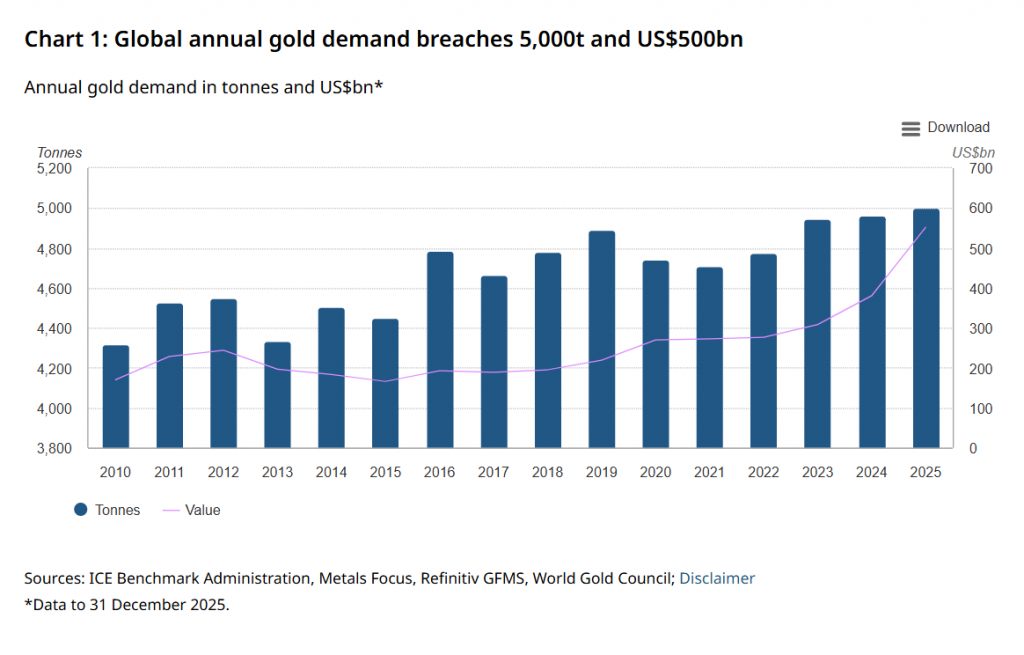
  • Impact on Manufacturing: According to the World Gold Council’s (WGC) Full-Year 2025 Gold Demand Trends, global jewelry consumption by tonnage declined by 18% in 2025. This sharp contraction was a direct result of the “price shock” that pushed gold and silver to consecutive record highs. For B2B manufacturers and retailers, this meant that traditional $99–$150 retail price points—once the “sweet spot” for mass-market gift-giving—became mathematically impossible to sustain using solid precious metals. As raw material costs alone began to exceed these psychological price barriers, the industry reached a definitive turning point: the need for high-quality alternative materials is no longer just an option, but a requirement for survival. 

2. The Rise of "New Luxury": Alternative Materials & Consumer Response

In the wake of the “Golden Squeeze” of 2025, the jewelry industry has witnessed a structural pivot toward “Demi-fine” and high-quality alternative materials. This segment bridges the gap between mass-market fashion and fine jewelry, prioritizing aesthetic prestige and durability over pure metal weight. 

Actions from Industry Leaders

Major global players have aggressively diversified their material strategies to decouple growth from raw material volatility and environmental impact:

  • Pandora: As the world’s largest jewelry brand by volume, Pandora completed a landmark transition in late 2024 to using 100% recycled silver and gold across all its manufacturing. This shift, combined with their exclusive use of lab-grown diamonds, has allowed them to maintain accessible price points while significantly reducing their carbon footprint. 
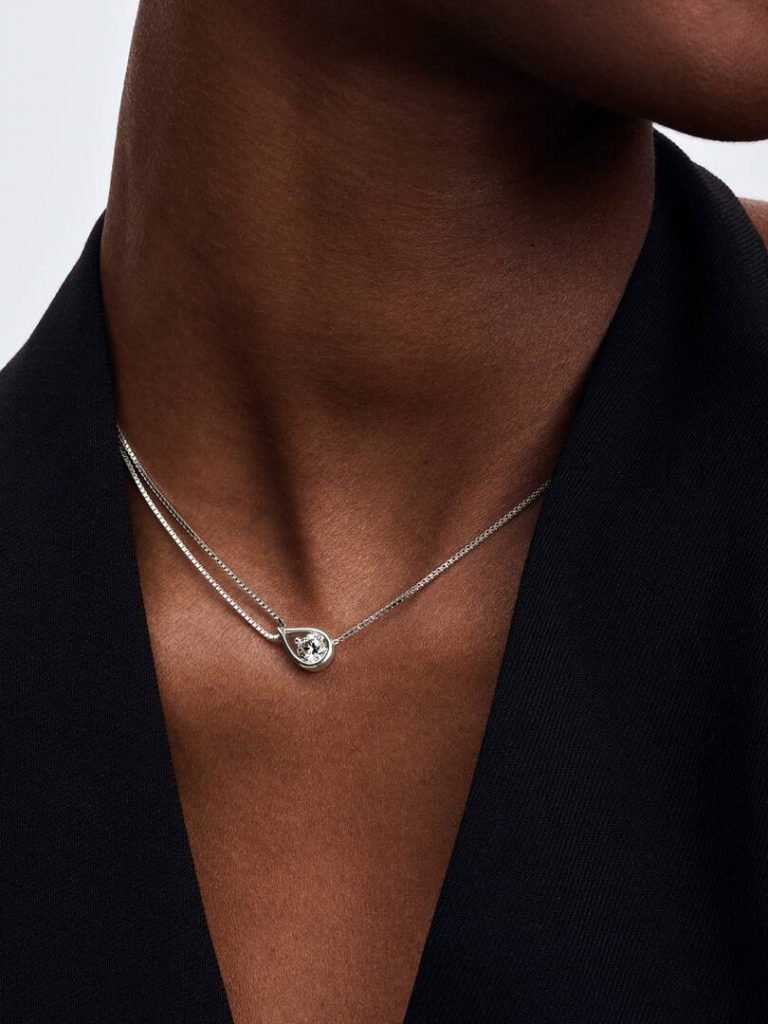
Pandora Infinite 14k White Gold Lab-grown Diamond Double Chain Collier Necklace.
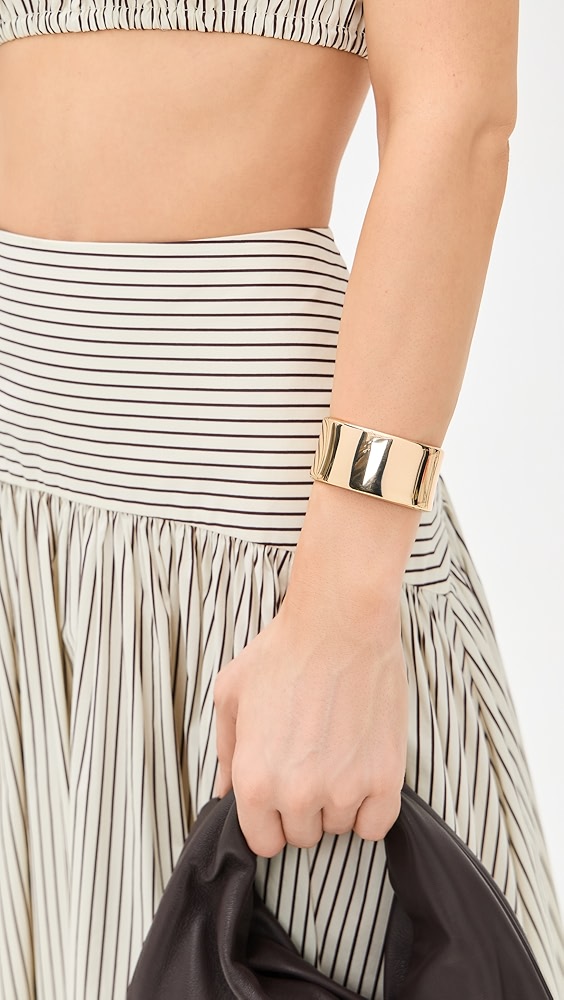
  • BaubleBar and Buckley London: These brands have dominated the mid-market by perfecting gold-plated brass. By utilizing high-grade base metals as a core, they deliver the “chunky,” sculptural aesthetics that define 2026 fashion—designs that would be cost-prohibitive in solid precious metals. 
BaubleBar Ashton Cuff
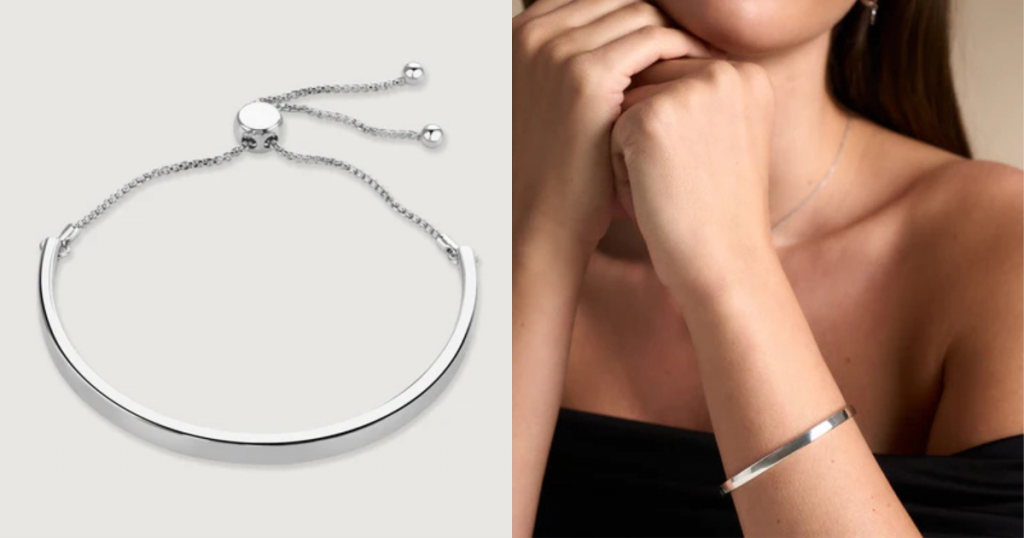
Buckley London Silver Adjustable Bangle Bar Bracelet

Consumer Sentiment: The "Smart Luxury" Pivot

Today’s consumer is remarkably resilient but increasingly value-conscious and ethically driven.

  • Market Dominance: Data indicates that approximately 75% of jewelry revenue in 2025 came from the non-luxury (mass-market) sector, as buyers moved away from “investment-only” pieces toward high-style daily wear. 
  • Gen Z & Millennial Priorities: Younger demographics are prioritizing design and ethical narratives over intrinsic metal purity. For these cohorts, high-grade alloys like brass are viewed as a “smart luxury” choice for self-expression. 
  • Defining Styles of 2026: Analysts at Marie Claire and Bucherer report that “Bold Metallics” and “Mixed Metals” are the defining trends of the year. Fashion authority Who What Wear emphasizes that the visual impact of oversized, sculptural silver and gold-plated brass now outweighs traditional metal purity, as consumers seek maximalist style without the investment-level price tag. 

3. PNJ Production's Response: Stability Through Material Versatility

At PNJ Production (PNJP), we have leveraged our 20+ years of export expertise to help our international B2B partners navigate this volatility. We recognize that maintaining competitive price points requires a flexible approach to material composition without compromising the “fine jewelry” feel.

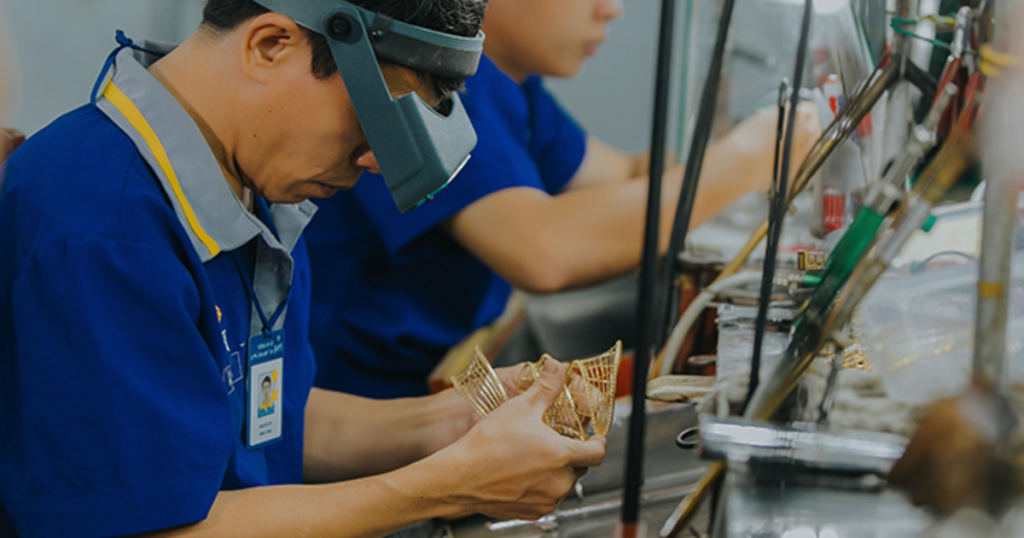
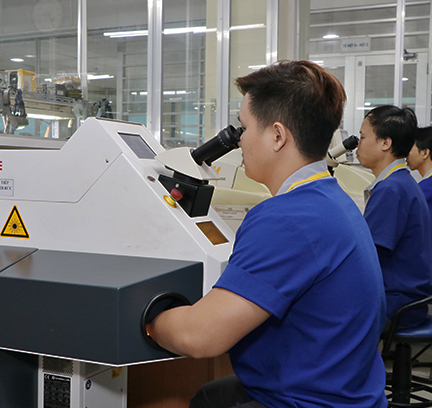
PNJP Complying with Labor & Environmental Law

To meet the demands of the 2026 market, PNJP is expanding its manufacturing capabilities to offer two high-value alternatives to traditional high-karat gold:

A. Optimized Low-Karat Gold Alloys (8K & 9K)

While 14K and 18K have long been the industry standards, the “Golden Squeeze” has made these karats challenging for mass-market collections. PNJP now offers precision casting in 8K (33.3% gold) and 9K (37.5% gold):

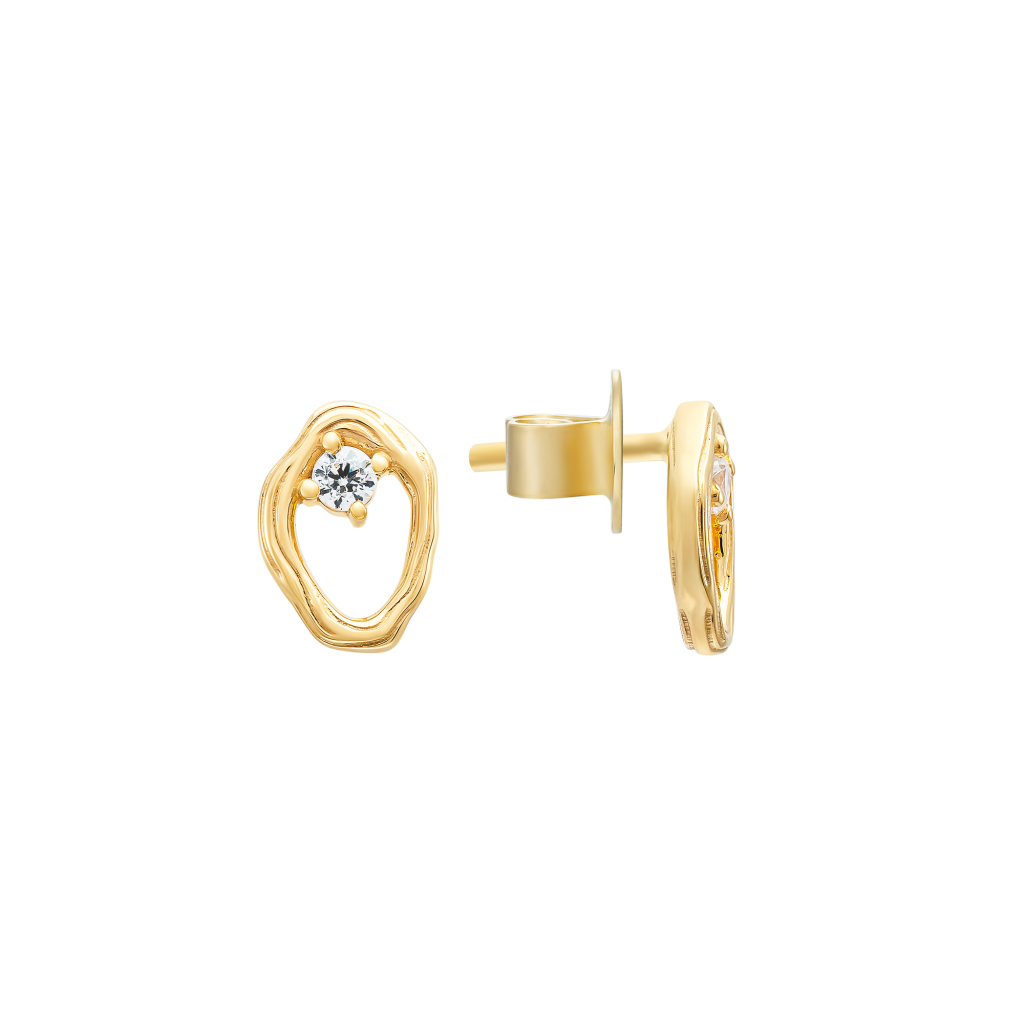
PNJ Production's 10K Gold Earrings XM00Y003626
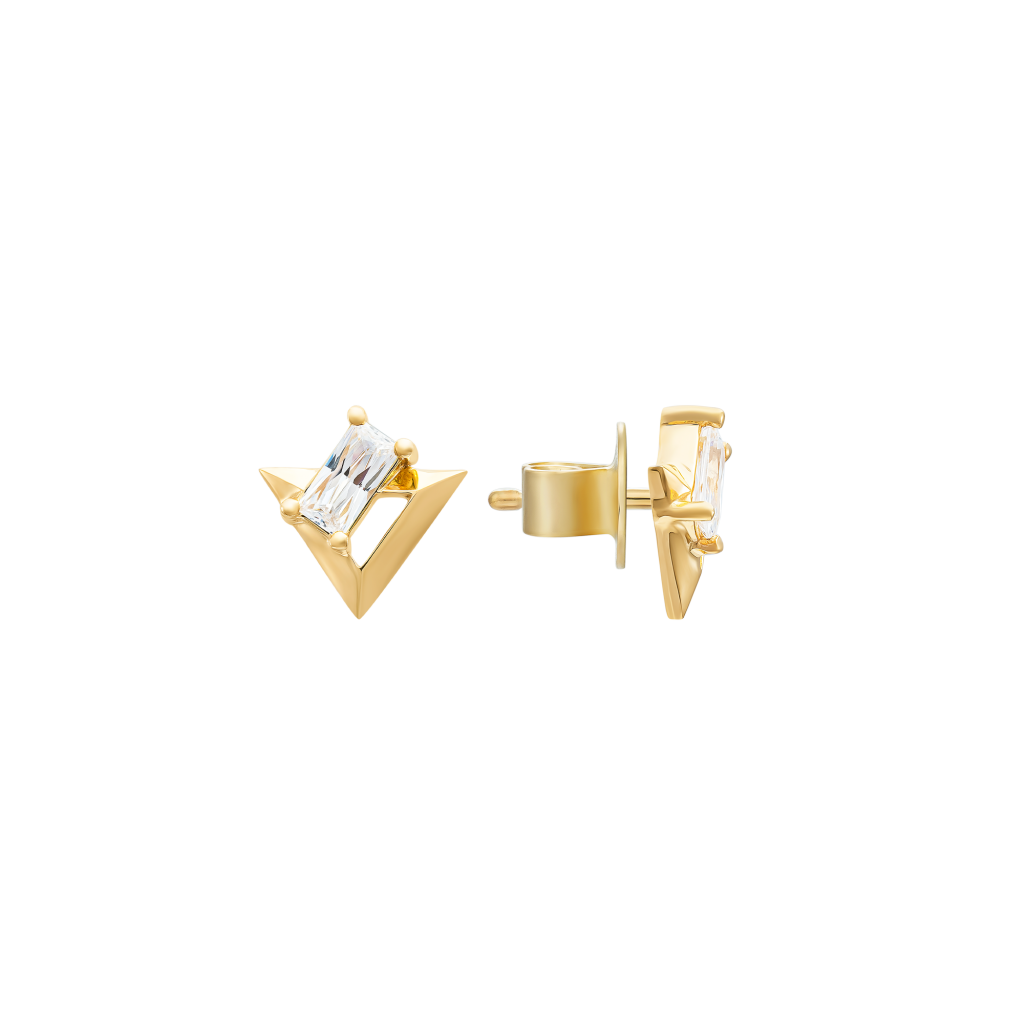
PNJ Style's 10K Gold Earrings with CZ XM00Y003632
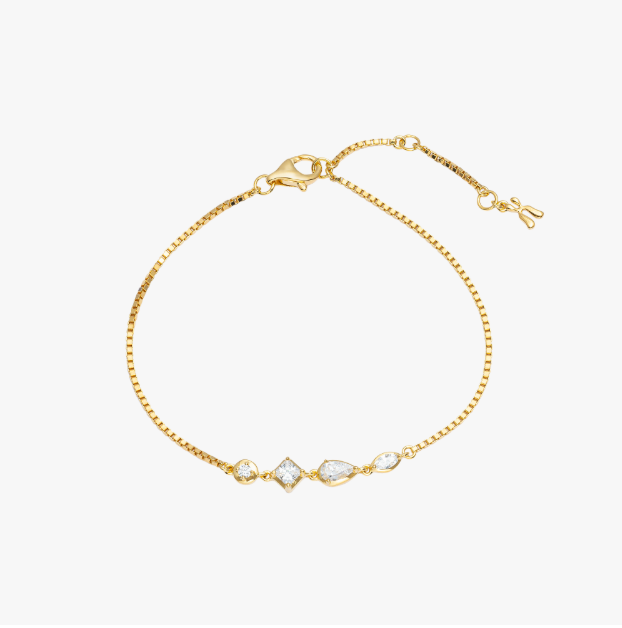
PNJ Style's 10K Gold Bracelet with CZ XMXMY001400
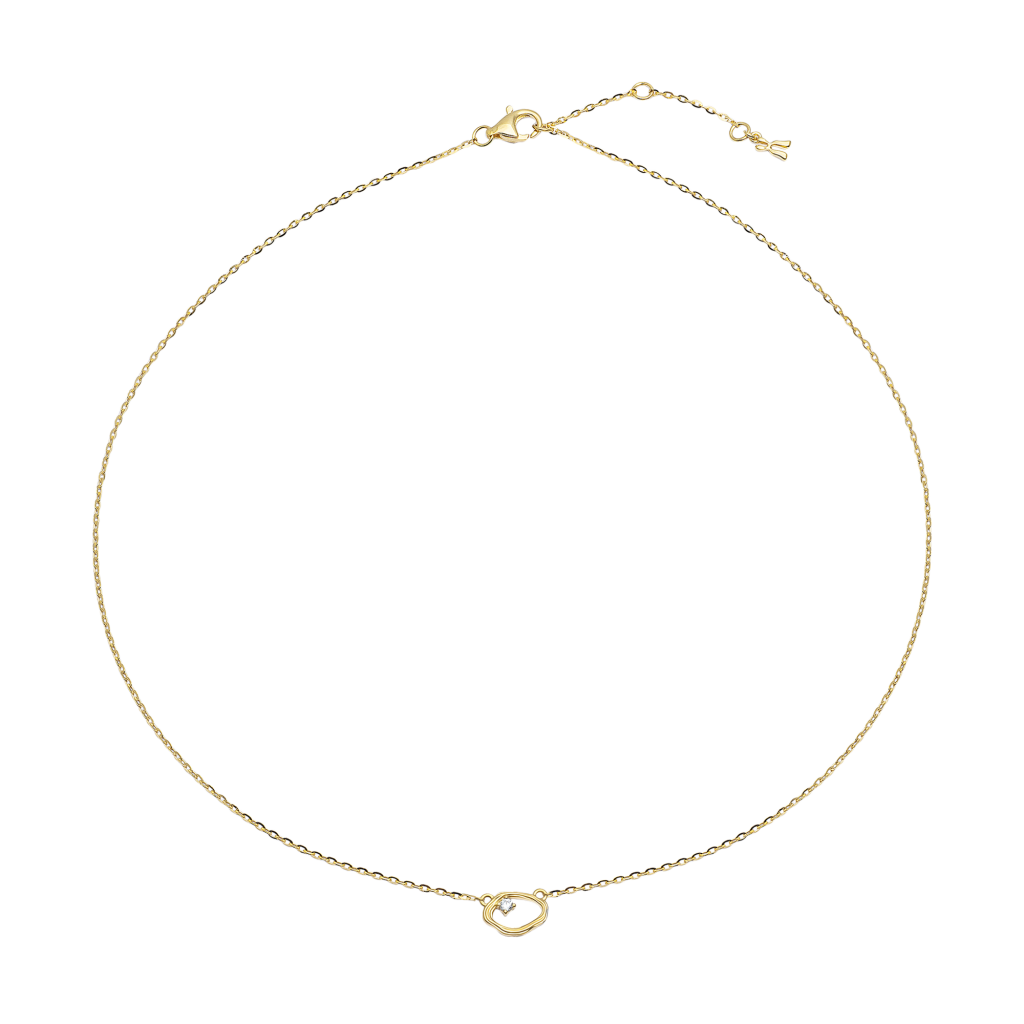
PNJ Style's 10K Gold Necklace with CZ XM00Y000349
  • Cost Advantage: Shifting from 14K to 9K can reduce metal costs by up to 35–40%, allowing brands to keep their signature designs within accessible price brackets. 
  • Visual Consistency: Our advanced alloying techniques ensure that our 8K and 9K pieces maintain a warm, brilliant hue that is visually indistinguishable from higher-karat gold to the naked eye. 

B. Professional Gold Plating on Silver and Brass (0.5 to 3.0 Microns)

Gold Plating

For brands looking to maximize “visual impact” at the lowest possible cost, PNJP provides professional electroplating services using real 18K or 22K gold layers on either 925 Sterling Silver or High-Grade Brass cores: 

  • The Micron Standard: We offer customizable plating thickness from 0.5 microns (ideal for entry-level fashion pieces) up to 3.0 microns (heavy gold plating). 
  • Vermeil Options: Our plating on silver at 2.5+ microns meets international “Gold Vermeil” standards, providing a premium “precious-on-precious” product for the demi-fine market. 
  • Brass-Core Innovation: By utilizing brass as a base for 1.0 to 3.0-micron plating, we enable the creation of the chunky, sculptural “Bold Metallic” trends of 2026—offering the weight and prestige of luxury jewelry at a fraction of the price. 
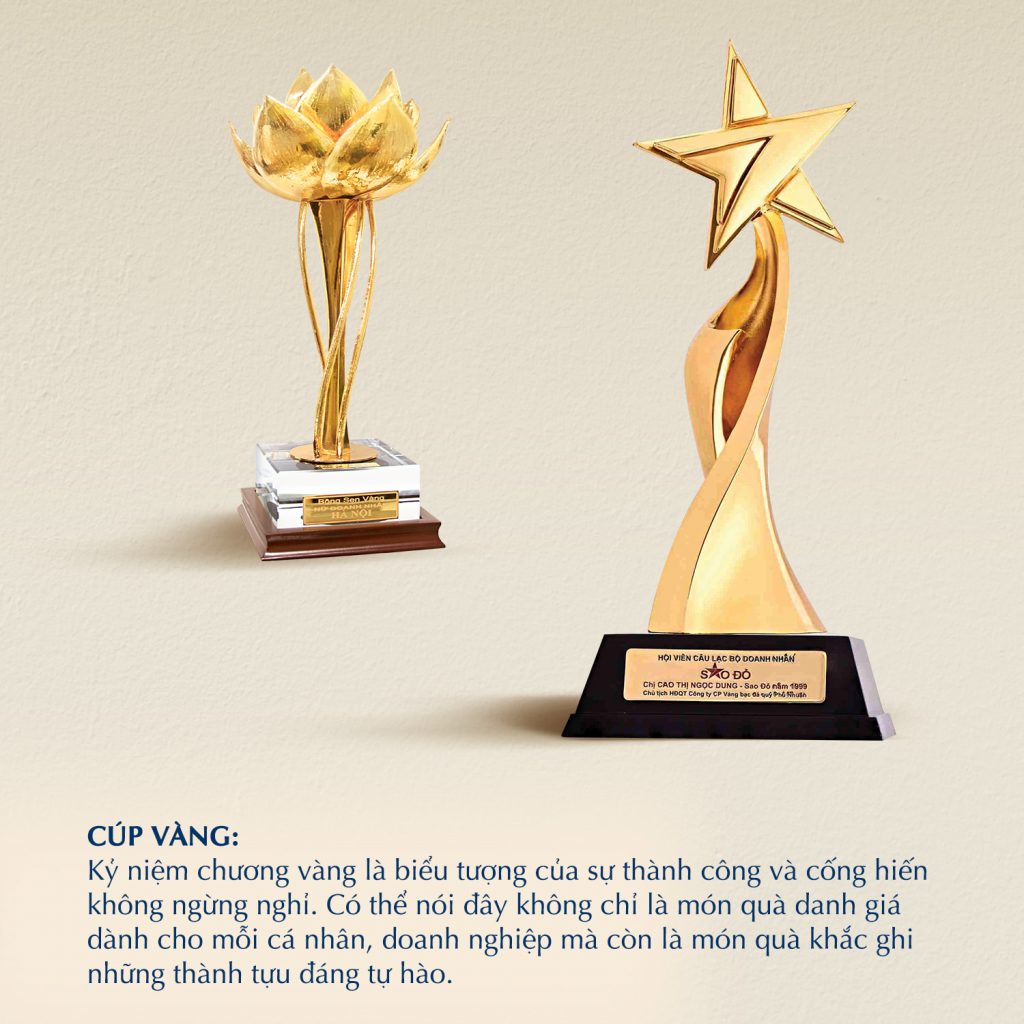
Corporate Gift – Gold Plated Brass Award Trophy

4. Key Takeaways and Call to Action

The market shift of 2025 has proven that diversification is the only defense against volatility.

  • Diversify Your Catalog: Integrating 9K gold or plated brass allows you to maintain stable “entry-level” price points ($50–$200). 
  • Strategic Sourcing: Use 8K/9K for items requiring high durability and 3-micron plated brass for high-fashion statement pieces. 
  • Focus on Design: Consumers in 2026 are buying the “look” and the “story”—don’t let metal prices limit your brand’s creative vision. 

Is your brand ready for the 2026 market?

The PNJ Production International Business Team is ready to partner with you to find the right material balance for your upcoming projects. We invite you to connect with us for a direct consultation on how to re-engineer your current designs and optimize production costs using our alternative metal solutions. 

[Connect with our International Business Team today] to discuss your 2026 collection roadmap and explore how our lower-karat and premium plating options can support your brand’s growth.

Related News