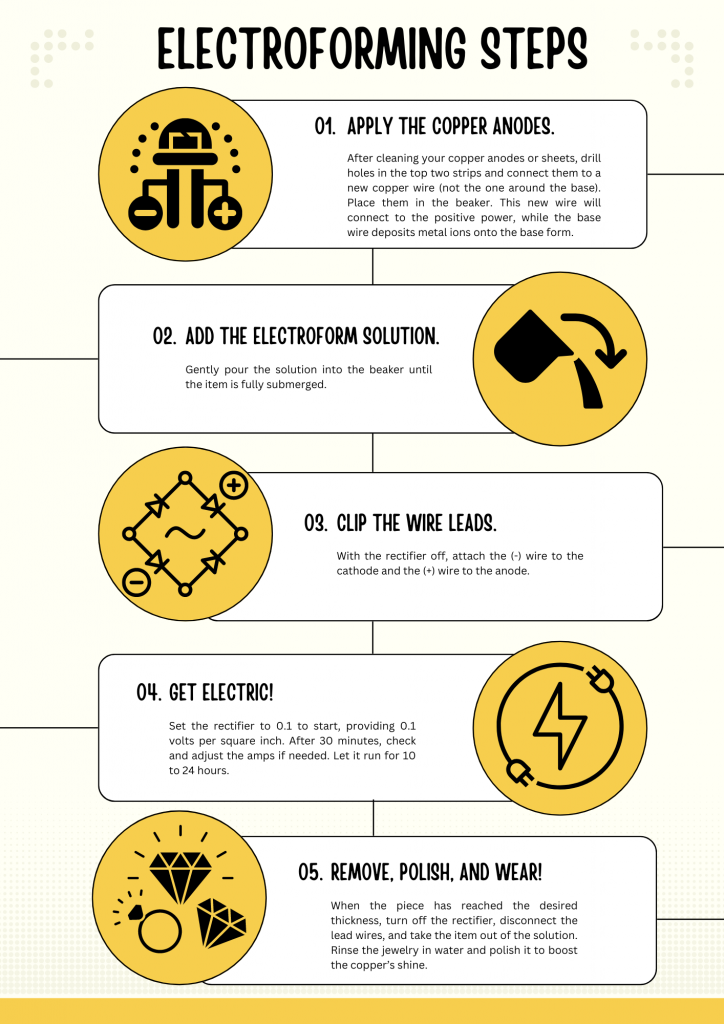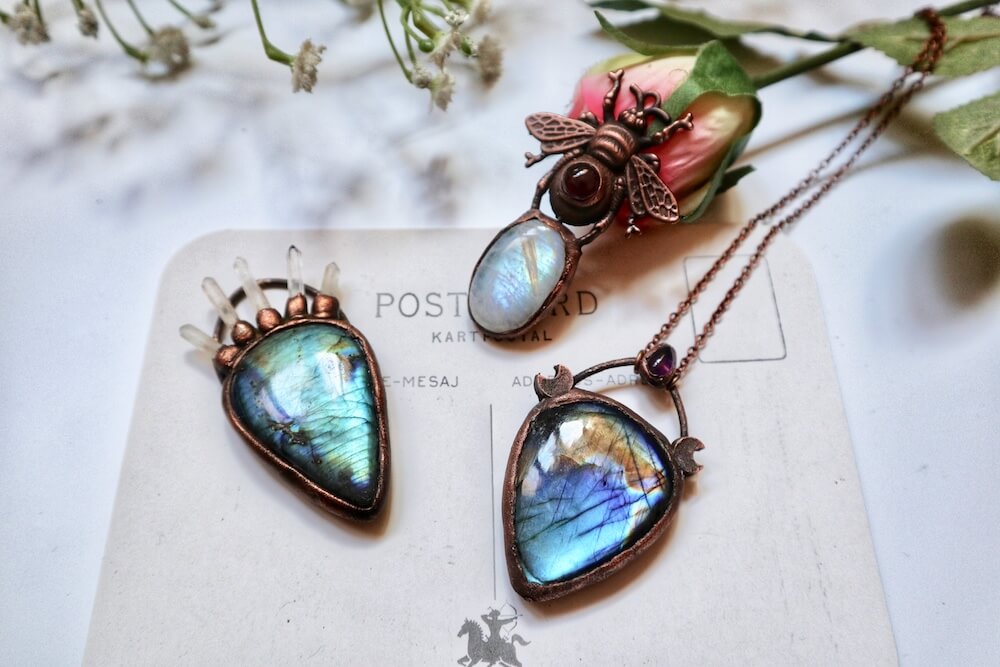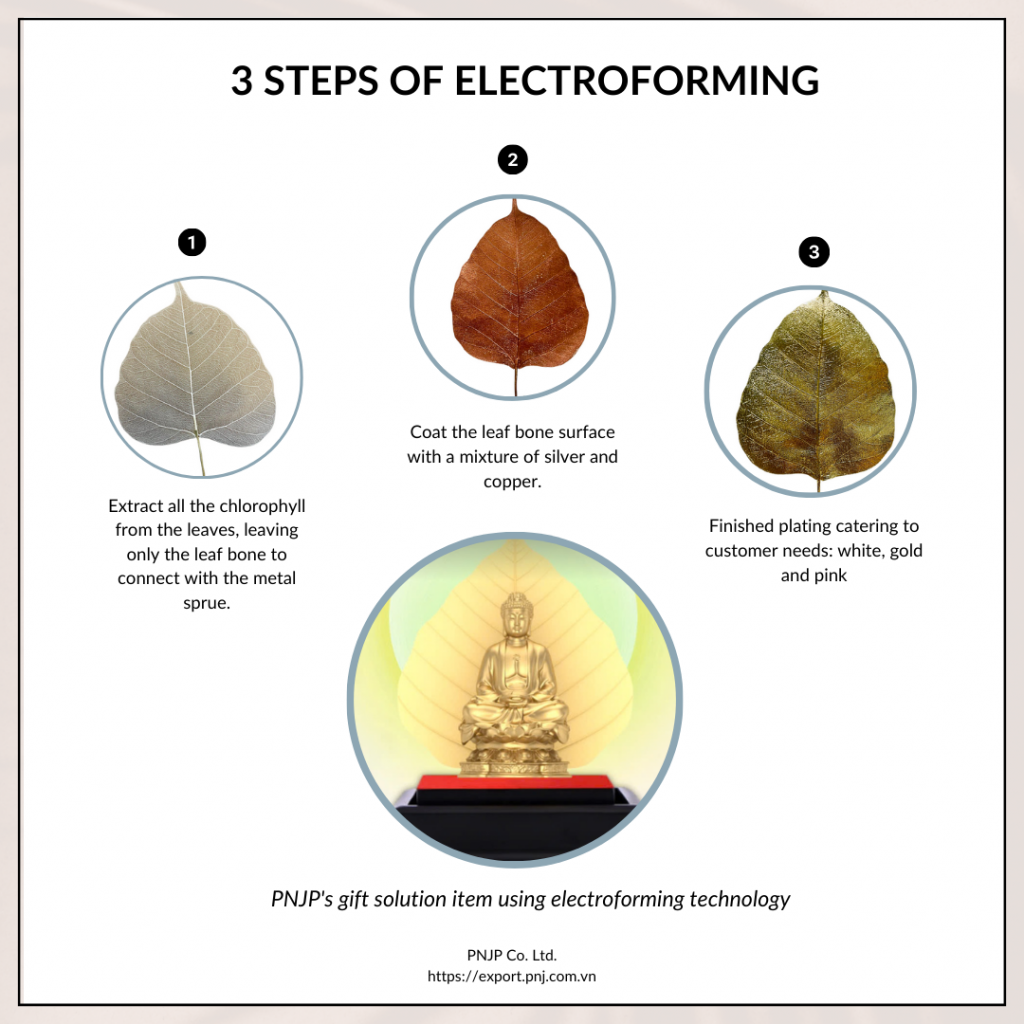
Ever wanted to transform your favorite natural elements into unique jewelry? Discover electroforming, a technique where raw metal encases gemstones and organic materials to create one-of-a-kind pieces. With skill, patience, and precision, you can turn your treasured items into distinctive jewelry. Join us as we explore electroforming and teach you how to craft your wearable art!
1. What is Electroforming?
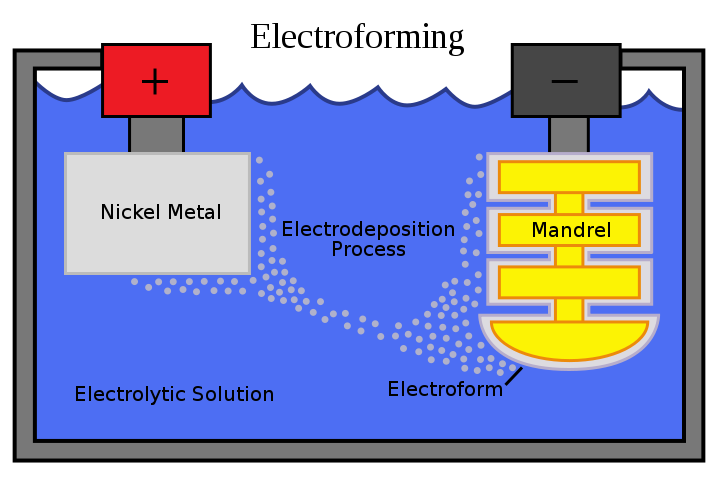
Electroforming is a unique process that creates custom jewelry using natural or unconventional materials. By layering metal over a conductive form (like wax, plastic, or organic items such as leaves), and applying an electrical current, a metal layer forms around the object. This results in a distinctive 3D piece that can be polished and worn. Electroforming can be strengthened by repeating the process or using harder metals, such as gold, silver, or alloys, instead of softer metals like copper.
2. History of Electroforming Jewelry-Making
Electroformed jewelry originated in the late 19th century, with Prussian-Russian physicist Moritz Hermann Jacobi credited as its inventor. Initially, the technique was used to reproduce sculptures, copper engravings, and other artworks across England, France, and Germany.
Soon after, European jewelers began adopting electroforming for jewelry, and it became widely used in the early 20th century. Designers have since pushed the limits of the process, experimenting with new metals and materials.
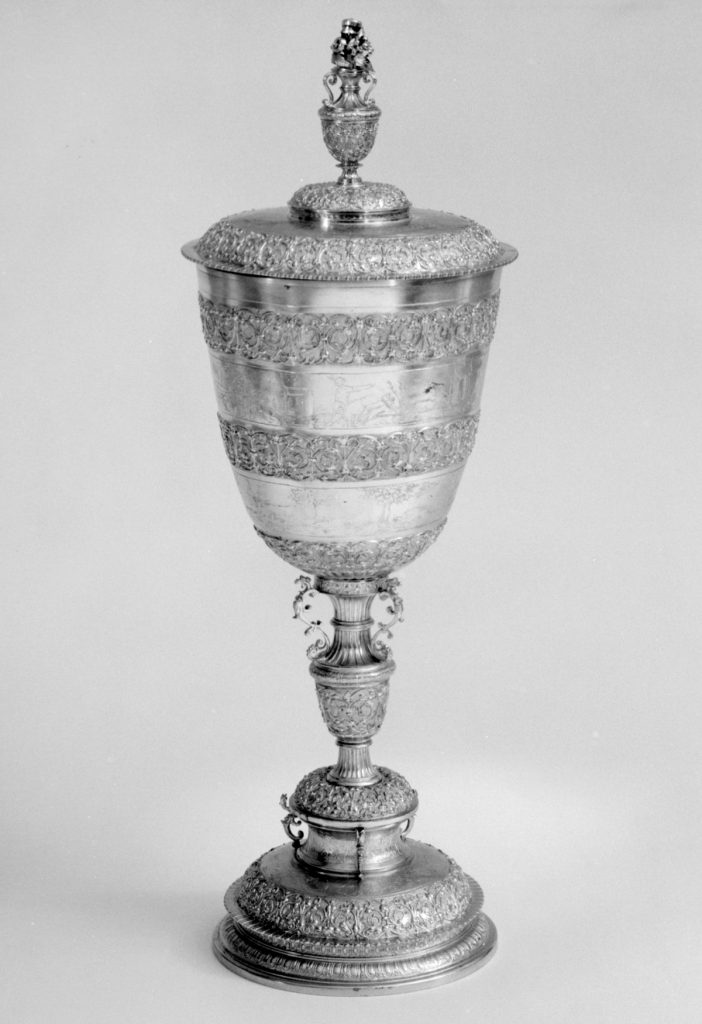
Today, electroforming is favored for creating jewelry with an organic, raw look, cherished by both art and studio jewelers.
3. Is Electroforming the Same Thing as Electroplating?
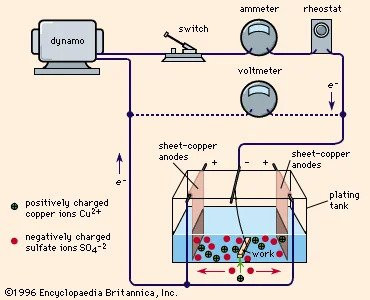
Many people confuse electroforming with electroplating, but they are distinct processes. Although they use similar materials—like a base form, metal, a rectifier, beakers, a plating solution, and a power supply—their results differ.
Electroforming builds up a thick copper coating around an item, whereas electroplating applies a thin layer of metal over another metal. While electroplated gold is genuine gold, its value is lower than solid gold due to the thin layer used. In contrast, electroforming often features copper as the main design element and is typically used for creating more substantial jewelry pieces.
With this understanding, are you ready to experiment with electroforming in jewelry-making?
4. How to Electroform Jewelry
Electroforming might seem daunting with its special equipment, technical skills, and electrical components—reminiscent of those junior high science fairs. However, you don’t need a lab coat or a chemistry degree to get the hang of it. Think of electroforming more as a fun craft project rather than a complex science experiment.
Let’s start by reviewing the essentials you’ll need.
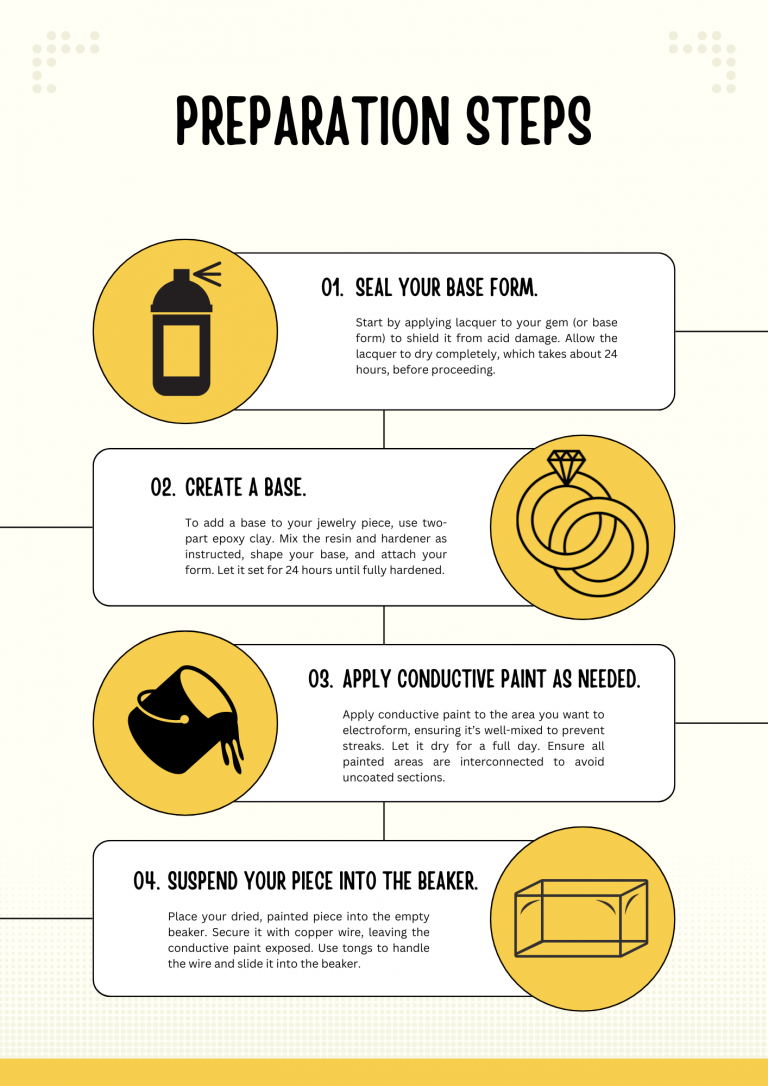
5. Preparation Steps for Electroforming Jewelry-Making
What should a good electroforming kit include? The supplies may vary depending on the metal you plan to use, especially considering factors like melting point. However, a typical electroforming kit should have:
A mold or mandrel made of material with a higher melting point than the metal used
A 10 Amp rectifier for the electrolyte bath
Electroforming solution for the chosen metal (gold, copper, etc.)
Electroforming is a unique blend of art and science, allowing you to create designs that traditional methods can’t achieve. While it still has challenges, like working with non-conductive materials and ensuring precision, the stunning and intricate results make it worthwhile. For those willing to master its complexities, electroforming offers the opportunity to craft detailed, lightweight jewelry, elevating your design skills. PNJP is actively investing in technology for its Electroforming product line and is expected to launch jewelry designs applying this technology shortly, complementing the gold plating/vermeil technology that PNJP continues to refine. Please stay tuned and look forward to PNJP’s upcoming collections, where innovation and artistry will come together.